I was trying not to tap my feet with my nervous energy so I didn’t quite process the question at first, “Father?”
I looked up at the Genetics Counselor and laughed, “Good question.”
She had an Irish lilt and nodded, smiled, and said, “I understand. Is that the reason for the question mark after his name?”
“Yes…it’s complicated.”
The concept of “father” and that role has changed drastically in the last few decades and is demonstrated reverently and humorously in the documentary “Dads” from 2020 on Apple TV.
Yet the subtext to all of the presented vignettes is the harsh reality that many of us know very well. The disparity in gender roles and expectations, the assumption of the “mom” being the default parent and safety net for all the child’s needs, and the stories we really turn away from. Those stories, like my own, of growing up in a house of abuse.
I decided to watch the film after my genetics appointment, not the wisest decision, and was understandably reduced to tears. Memories returned to me of my own childhood and the idea of fatherhood stayed in my mind throughout the next days. What does it mean to be a father? What does it mean to go without one? What makes a good dad? What is a “father”?
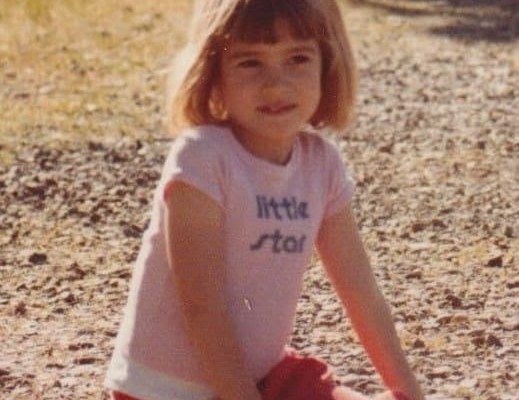
It’s a loaded set of questions in my life that I’ve never been able to answer and the tone of the questions change throughout my life. At one point, as a small child, it was a plea for wanting love that would never be given. It was a question of “why”. Why doesn’t this person love me? What’s wrong with me? Why am I like this? What should I do to make him love me?
So I would try to be as perfect as possible in hopes that I might be lovable and that it might prevent another fight. That if I loved as fiercely as I needed it that it would be returned in kind. I would discover over the years that my need for that love was a scream into a well. That there was only anger in response lying in wait as it stalked me relentlessly. For someone to have that hold over you with their anger is to dance on a cracking ice flow. For a child, it means never trusting that there’s a safe harbor in their life.
I would listen to other kids talk about camping, fishing trips, and family vacations. All the things that would not be part of my childhood that I hoped for. Seeing extended family was rare and moments of joy as a family was elusive. There were the moments of laughter, sometimes over shared humor at life, but typically at someone’s expense. I learned to be funny to deflect the anger, to hide behind it before the fists would fly, and to ease the pain for those that suffered in the aftermath.
Most of my memories are of yelling, beatings, and crying. Always crying. My own, others, and those that echo in my nightmares still. If I smell that distinctive smell of a house fire I think back to when my father burned our house down. It’s not the flames, the firefighters, or the lose of possessions I remember. It’s the sound and the sight of my mother keening and collapsing as she fell out of her car that day. My father stood there trying to calm her down as if it was a fender bender. It was the first sign to others to suspect him and they were correct. He had graduated from wife beater, child abuser, and moved on to become an arsonist as well.
From that point on he would come in and out of my life like a seasonal hurricane and we would batten down the hatches upon his return. I learned how to pretend to get along and hide my true feelings just to survive. The mistakes and subsequent abuse of my siblings served as an education of how to avoid his wrath. I stopped speaking for months at a time at home. My voice was as unwanted as my existence. It was safer to keep conversations to only responding to questions. It was only safe to talk when he was gone. I had learned to avoid his attention and live as a ghost among them.
He would tell us that he never should have had us. That he couldn’t wait for us to leave home. That I was a slut just like all the other women in the family. He took to pounding on the door if I tried to shower. I had to wear extra layers of clothes so he wouldn’t comment on my body. I made as many friends as possible and stayed at their houses when I could.
After his second time in prison, he returned and none of us hid our distrust of him. I waited for the other shoe to drop and hoped that he would go back in and knew that at some point he would. The beatings to my mother became severe and we were old enough to call the police. They told us not to call them anymore after the third trip to our house. They threatened to take us away from our mother. The beatings after those calls were worse than the ones that deserved the help to begin with.
My siblings moved away, one by one. He took up a long-haul truck driving job not long after my eldest brother left for college. I kept hoping his truck would crash and he would never return. Maybe he would meet a waitress and never come back. Maybe he would get arrested and stay where he belonged.
Mother nature has cruel tricks and surprises for us. I became a teenager and the anger became stronger without my notice. He would say disgusting things to me. Make accusations about my behavior, comment on my body, and threats were implied. It wasn’t safe to be at home any longer. I signed up for every possible extracurricular activity to avoid going home from school so that my mother would be home from work by the time I returned. When he wasn’t gone for work, I was gone from home.
Then something happened, I’ll never know exactly what, but his demeanor changed. I was sick with an infected spleen, bronchitis, and mono. Some teenagers dream of suddenly losing thirty pounds but my parents were scared and he suddenly tried to be a decent father. It lasted about as long as my illness, a month maybe less, but it gave me a glimpse of the man he could have been but chose not to be. In his mind, his bitterness over his own trauma justified his inflicting abuse on others. Seeing me in a weakened state inspired sympathy from him but that passed once the threat of me losing my life had passed. The indifference and abuse returned to show me yet again how little I meant to him.
Over the proceeding years, I would try to have a relationship with him but made my peace with that wish by my thirties. He was never going to be the person I needed or wanted as a father and I would never be the daughter he expected and felt he deserved. When love is transactional then everyone owes you something. He eventually was in prison again and the last I heard he moved to another state.
Now when I see the word “father” I think of my past as if it was another lifetime ago and the word represents what I see with my own children and their father. Someone that is involved in their lives and shows them love. Something I never had from the person who thought of themself as my father.
In honor of Father’s Day, thanks to all of the caregivers and caretakers who do their best to show love and support to the children in their lives and actively end the cycles of abuse.
Here’s to all of you for showing up every day and being willing to be there for them, embarrass yourselves, be their cheerleader, fight for their rights, wear a dress with them when they ask, advocate for them, be silly for them, sit through practices and recitals, watch cartoons with them, patiently show them to tie their shoes, jog alongside them while they learn how to bike, show them how to skip a rock, maybe even learn how to braid their hair, hold them while they cry so that they know you’ll always be there, listen to their crazy stories at 3am when they can’t sleep, and always show them that you are a safe person in their life that they can love and count on being loved by.
Thank you.
https://www.imdb.com/title/tt10883124/
HOW TO SAY ‘FATHER’ IN 25 DIFFERENT LANGUAGES
- English: Father / Dad and daddy (in a sweet way)
- Spanish: Padre / Papá and Papi (like dad or daddy)
- French: Père
- Italian: Padre
- Portuguese: Pai / Papai and Painho (like dad or daddy)
- Mandarin Chinese: 父亲 (Fùqīn)
- German: Vater
- Russian: Oтец (Otets)
- Arabic: الآب (Alab)
- Japanese: お父さん (Otōsan)
- Swedish: Far
- Hindi: पिता (Pita)
- Marathi: वडील (Vaḍīla)
- Korean: 아버지 (ah-bo-ji) / 아빠 (abba) (like dad or daddy)
- Greek: πατέρας (patéras)
- Turkish: baba
- Hungarian: apa
- Vietnamese: cha
- Bengali: পিতা (pitā)
- Romanian: Tată
- Czech: Otec
- Slovene: Oče
- Polish: Ojciec
- Swahili: Baba
- Finnish: Isä
 Politely Defiant